 PHX Mold Removal
 Mold Remediation in Phoenix, Done to the Standard
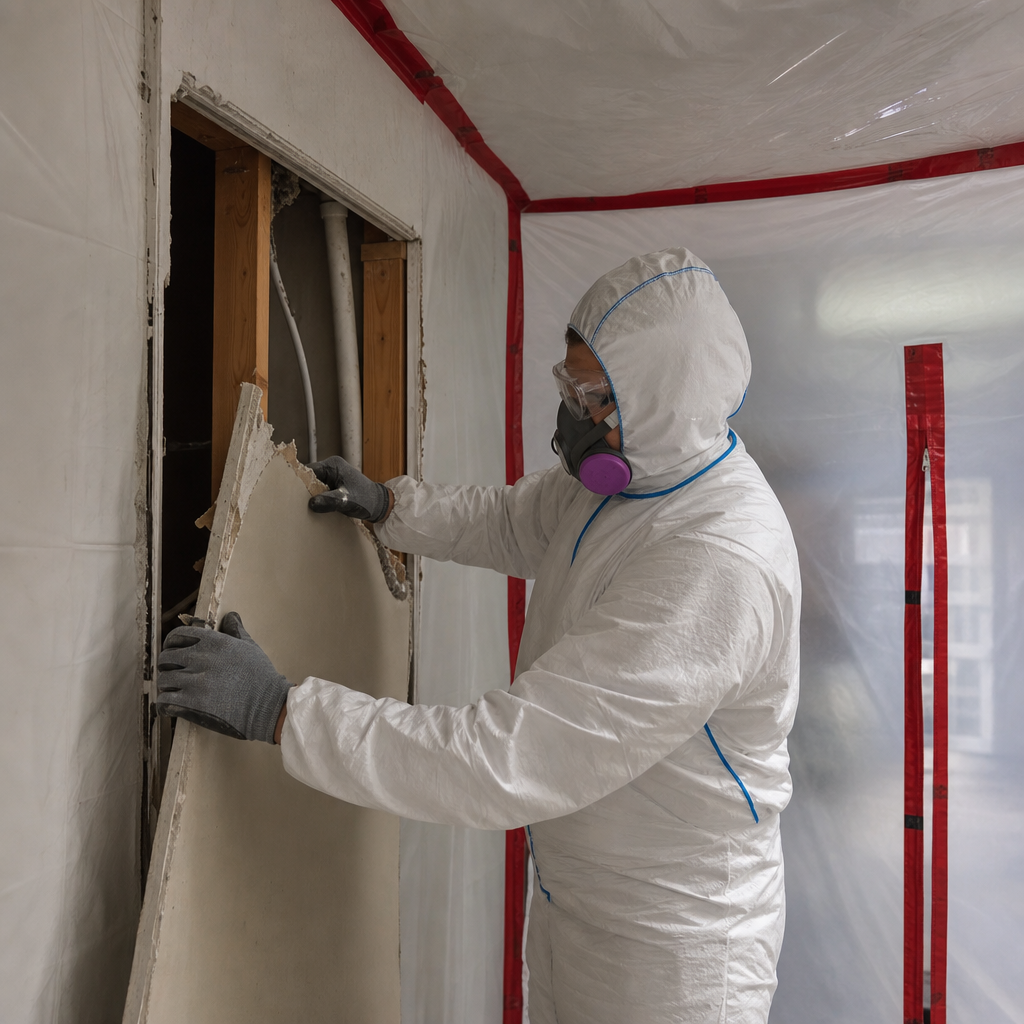
Mold remediation in Phoenix typically costs $1,500–$6,500 (average around $1,800) and, done properly, follows one process: contain the area, remove contaminated materials under negative air pressure, HEPA-clean, dry the structure, and verify with independent clearance testing. Arizona has no state mold license, so that process, the ANSI/IICRC S520 standard, is the only real quality bar in this market. Ask any crew you are considering, us included, whether it holds IICRC certification and works to it on every job.
What proper remediation looks like, step by step
If you get three bids in Phoenix, you’ll get three different processes. This is the one that actually works, and the one you should hold every bidder to:
1. Assessment and moisture source identification
No remediation scope is legitimate until someone identifies where the water came from. In Phoenix that’s usually one of four: an AC condensate failure, a roof leak (especially post-monsoon), a slab or plumbing leak, or a one-time flood event like a burst supply line. If the source isn’t fixed (by the remediator, a plumber, or a roofer) the mold returns and the money was wasted. Get the source in writing in the scope.
2. Containment
The work area gets sealed with 6-mil polyethylene barriers, and HVAC supplies and returns in the zone get blocked so the air handler can’t pull spores into the ducts and distribute them house-wide. On larger jobs, a decontamination chamber goes at the entry. This step is what the $500 spray-and-pray operators skip, and skipping it can leave a house more contaminated than before the “treatment.”
3. Negative air pressure and HEPA filtration
Air scrubbers with HEPA filters run continuously, exhausting outside the containment to keep the zone under negative pressure. Air flows into the work area, never out. Disturbed spores get captured instead of migrating to your bedrooms.
4. Removal of contaminated materials
Here’s the part nobody likes to hear: porous materials with mold growth get removed, not treated. Moldy drywall, insulation, carpet pad, and MDF baseboard come out in sealed bags. Mold roots into porous material: surface sprays, including bleach, don’t reach the hyphae, and the moisture in liquid treatments can actually feed regrowth. Structural wood framing is different: it’s usually salvageable through HEPA sanding, damp wiping with antimicrobial, and drying, because framing lumber can be cleaned to sound wood.
5. Structural drying
Commercial dehumidifiers and air movers bring the framing and slab back to dry-standard moisture content, verified with meter readings, not guessed at. In monsoon season, when Phoenix dew points run 55–65°F and outdoor air can’t help you dry, this step takes longer than newcomers to the Valley expect.
6. Clearance verification
After the work: visual inspection, moisture confirmation, and clearance air sampling compared against outdoor baseline, ideally performed by a party independent of the remediation crew, so nobody is grading their own homework. Then containment comes down and rebuild can start. Details on how clearance sampling works are on the inspection and testing page.
7. Rebuild
New drywall, texture, paint, baseboard, flooring. Some jobs bundle it, some homeowners use their own contractor. Ask for quotes that separate removal from rebuild line by line so you can compare bids honestly.
What Phoenix remediation costs
| Scope | Typical range |
|---|---|
| Contained small area (AC closet, vanity cabinet, single wall section) | $500–$1,500 |
| Single room with drying | $1,500–$3,500 |
| Multi-room | $3,000–$6,500 |
| Attic (post-roof-leak) | $1,500–$5,000 |
| Add-on: HVAC/duct treatment | $600–$2,000+ |
The variables that move these numbers, affected square footage, access difficulty, HVAC involvement, rebuild scope, are broken down on the pricing page. Insurance often covers remediation when the water source was sudden and accidental (burst pipe, appliance failure) and usually doesn’t for gradual leaks; document the source early either way.
The Phoenix-specific patterns behind most remediation
- AC closet and air handler mold. The most common job in the Valley. A clogged condensate line overflows the pan into the closet’s drywall and framing. Contained, these are efficient one-day jobs, but because the closet feeds your return air, they’re the worst ones to DIY. Full breakdown on the AC and HVAC mold page.
- Post-monsoon attic and ceiling mold. Water gets past aged tile-roof underlayment during July–September storms, soaks insulation, and shows up as a ceiling stain weeks later. Big in Ahwatukee, where most of the housing stock is 1980s–90s and running out of original underlayment life. See monsoon and roof leak mold.
- Slab leak wicking. Pinhole leaks in under-slab copper wick moisture up into wall bases, sometimes across multiple rooms before detection. Common in older stock, Arcadia’s 1950s ranches and 1970s–80s North Phoenix homes.
- Bathroom and shower assembly mold. Failed grout and pans in original 1990s–2000s bathrooms, discovered during remodels across Laveen and Deer Valley.
Straight answers to the two questions everyone asks
“Is it dangerous?” Mold can aggravate allergies and asthma, and nobody should live with a damp, contaminated building. Beyond that, medical questions belong with your doctor, and you should distrust any contractor who leads with frightening health claims to close a sale. The building problem is real and fixable either way.
“Can I do it myself?” Small surface growth on non-porous materials (under about 10 square feet, on tile or metal) is a homeowner job with detergent and gloves. Beyond that, or anything involving drywall, HVAC, or a hidden source, the containment equipment is what you’re actually paying for, because uncontained disturbance spreads the problem.
“How do I know the crew is legitimate?” Ask three things before anyone starts: proof of IICRC certification for the technicians on-site (ours included), a written containment plan, and whether clearance testing is independent. Legitimate operators answer all three without hesitation; the ones who bristle just answered a fourth question.
Get a real number
Every remediation project starts with a free assessment: source identification, moisture readings, and a written scope with a firm price, removal and rebuild separated, and clearance testing listed as its own line; ask us for proof of insurance and IICRC certification, the same as you would any crew. Catching a problem at the one-wall stage is what keeps remediation at the affordable end of its range. Ask for the earliest window if water is still active, anywhere in Ahwatukee, Arcadia, North Phoenix, Laveen, and Deer Valley. If what you actually need is emergency dry-out before mold ever starts, even better. That’s the cheap version of this page.
Frequently Asked Questions
What does mold remediation cost in Phoenix?
Most Phoenix remediation jobs run $1,500–$6,500, averaging around $1,800. Small contained areas like an AC closet can come in at $500–$1,500; multi-room jobs with HVAC involvement reach the top of the range. Every job is quoted after a free on-site assessment.
How long does remediation take?
Small contained jobs finish in a day. A typical single-room project with structural drying takes 2–4 days. Multi-room jobs run up to a week or more. Clearance testing at the end adds lab turnaround of 2–3 business days.
Can I stay in my house during mold remediation?
Usually yes. Sealed containment with negative air pressure keeps the work zone isolated from the rest of the home. Exceptions: when the work zone includes your kitchen or only bathroom, or when a household member has significant respiratory sensitivity, that call belongs to your doctor.
Does remediation guarantee mold won't come back?
Remediation removes the existing contamination. Whether mold returns depends entirely on whether the water source was fixed, remediating around an unrepaired roof leak or condensate clog is temporary by definition. That's why a sound scope identifies the moisture source and what has to happen to it.
Is 'mold removal' the same as remediation?
Functionally yes. The terms are used interchangeably. What matters is the scope behind the word: containment, removal of contaminated porous materials, HEPA air filtration, drying, and independent clearance verification. If a bid is missing containment or verification, it's spraying, not remediation.
Do you handle attic mold and crawlspace mold?
Both. Attic jobs, usually post-monsoon roof leaks growing on sheathing and insulation, run $1,500–$5,000, with access and summer attic heat driving the range. Crawlspaces are rare under slab-built Phoenix homes, but they exist beneath some older Arcadia ranches and room additions; those get the same containment-and-removal process plus a hard look at ground moisture and ventilation so the space doesn't simply regrow.