 PHX Mold Removal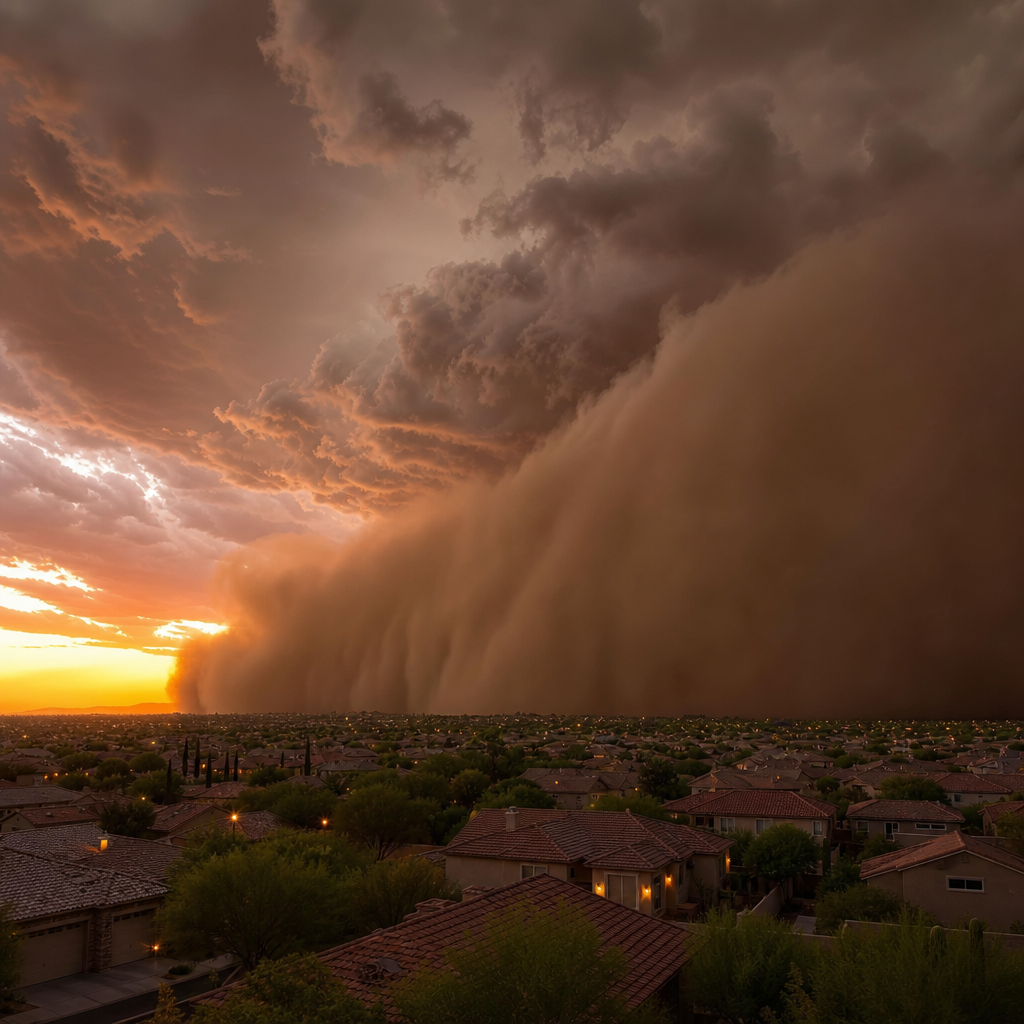
Mold in Phoenix hides where the water is: AC closets, under slabs, behind shower walls, and in the drywall that got wet during last monsoon season. PHX Mold Removal handles inspection, testing, remediation, and water damage cleanup for Phoenix homeowners and landlords, with straight answers and published price ranges, not a hard sell. Most remediation jobs here run $1,500–$6,500; the free assessment tells you where yours lands before any work starts.
The desert has a mold problem. It just hides better.
Phoenix afternoon humidity routinely drops into the single digits in late spring and stays low most of the year, so people assume mold can’t survive here. It can, and it does, because indoor mold has never cared about the weather outside. It cares about the wet wall cavity behind your shower, the drip pan under your air handler, and the roof deck that took on water during a July microburst.
Three things make Phoenix mold different from mold anywhere else:
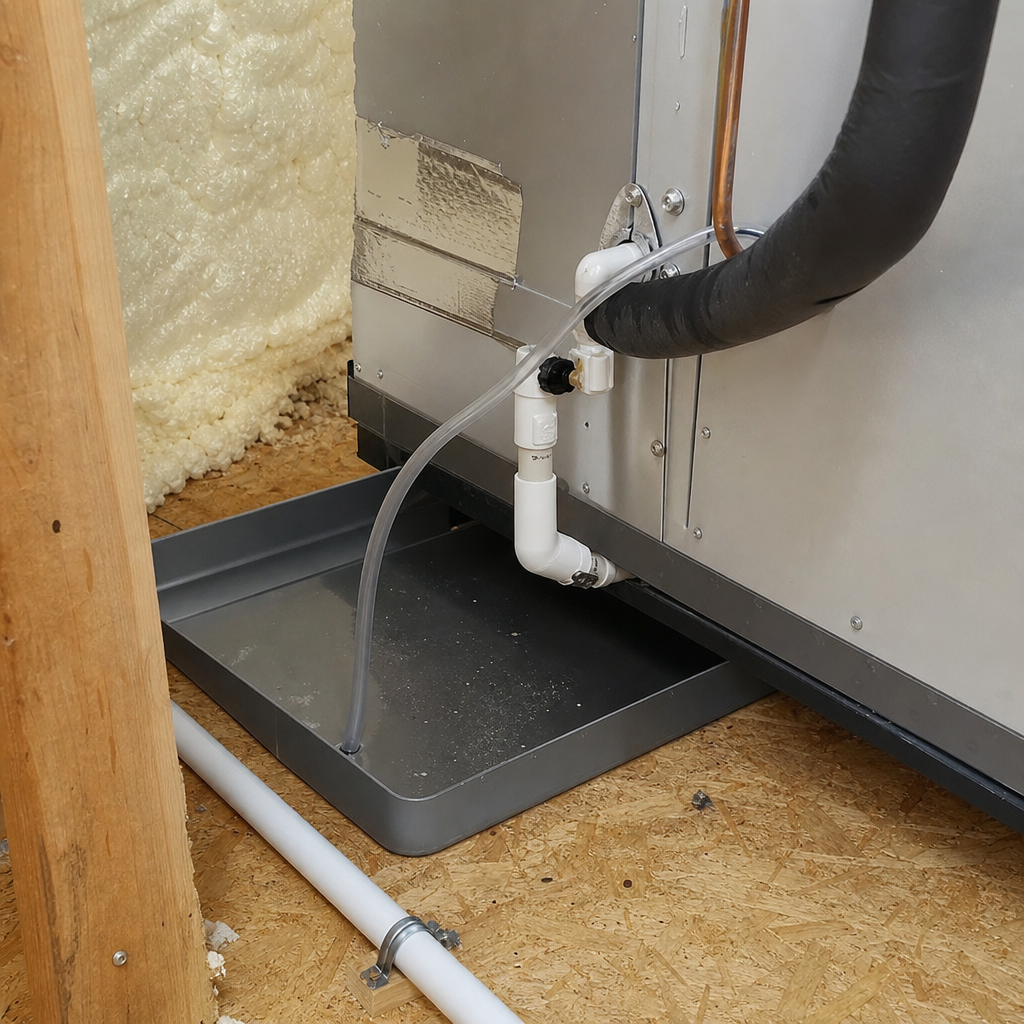
- Our AC systems run nine months a year. Every air conditioner produces condensate, gallons per day in summer. When the drain line clogs with algae (and in Phoenix heat, they clog constantly), that water goes into the drywall and framing of the AC closet or attic platform. This is the most common mold call in the Valley, and most homeowners find it by smell, not sight.
- Monsoon season loads the roof. From roughly late June through September, dew points jump into the 55–65°F range and storms drop sideways rain on roofs that are bone-dry the other nine months. Tile roofs with aged underlayment, which describes most of Ahwatukee’s 1980s–90s housing stock, let water past the tiles and into the decking, where it soaks insulation and ceiling drywall. The stain shows up weeks later. The mold got started in the first 48 hours.
- Slab construction hides plumbing leaks. Most Phoenix homes sit on slab-on-grade foundations with supply lines run under or through the concrete. A pinhole slab leak can run for months, wicking moisture up into interior walls, before anyone notices a warm spot on the floor or a jump in the water bill.
If any of that sounds like your house, start with a mold inspection and testing visit, or if you can already see growth, go straight to mold remediation and skip paying for tests you don’t need.
Mold and water services
- Mold Inspection & Testing: air and surface sampling with independent lab results. Know what you’re dealing with, and get documentation that stands up for insurance claims, home sales, and landlord disputes.
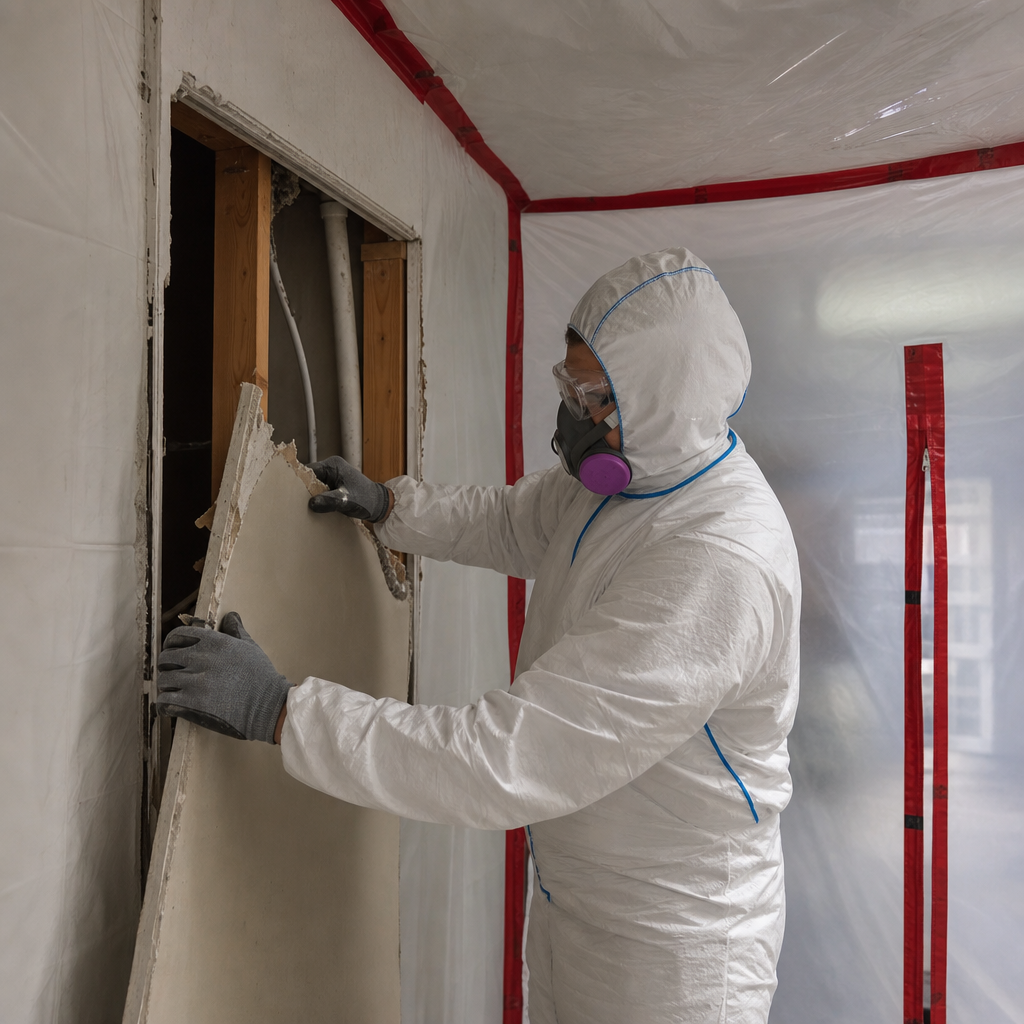
- Mold Remediation: full containment, negative air pressure, HEPA-filtered removal, and clearance verification to the IICRC S520 standard.
- Black Mold Removal: safe handling of dark, toxigenic-suspect growth with proper containment and disposal. No bleach-and-paint shortcuts.
- Water Damage Cleanup: pulling standing water and drying the framing and slab after a burst line, a failed appliance, or monsoon water getting in. Dry a house quickly and there is often no mold to remove afterward.
- AC & HVAC Mold: air handlers, ducts, coils, and AC closets. Arizona’s most common hidden mold, and the one that spreads spores to every room in the house.
- Monsoon & Roof Leak Mold: post-storm moisture intrusion, ceiling stains, and the attic mold that follows Arizona’s storm season.
Built around Phoenix neighborhoods, not a metro-wide dispatch board
A mold company that treats Phoenix as one giant service area misses what actually causes mold here, because the risk profile changes block by block:
- Ahwatukee: master-planned stucco homes from the 1980s and 90s, most of them on their original or second roof underlayment. Aged tile-roof underlayment plus monsoon cells rolling off South Mountain equals a steady stream of ceiling leaks and attic mold.
- Arcadia: 1950s ranch homes on former citrus groves, many still flood-irrigated through the Arcadia Water Company, founded in 1919 to water the groves. Regularly flooding your yard a few feet from a 70-year-old slab creates a moisture profile that exists almost nowhere else in the Valley.
- North Phoenix: a mix of 1970s–90s tract homes and brand-new construction riding the TSMC boom. New builds have tight envelopes that trap moisture when something leaks; older stock has aging polybutylene-era plumbing.
- Laveen: mid-2000s master-planned communities built fast on former farmland during the housing boom. Builder-grade plumbing and original water heaters from that era are hitting failure age right now.
- Deer Valley: the I-17 growth corridor, from established 1980s neighborhoods near the airpark north toward the new communities rising around the semiconductor campus.
Each neighborhood page covers the housing stock, the specific ways those homes grow mold, and what a realistic job looks like there.
No state mold license in Arizona: here’s what to check instead
Arizona does not license mold inspectors or remediation contractors. There is no state exam, no registry, no minimum standard. That surprises most homeowners, and it means the burden of vetting falls on you.
What to look for instead:
- IICRC certification: the Institute of Inspection, Cleaning and Restoration Certification is the industry’s recognized credential. Ask specifically for AMRT (Applied Microbial Remediation Technician) certification and work performed to the ANSI/IICRC S520 standard.
- Containment and negative air on every job, if a contractor’s plan is “spray it and paint over it,” walk away. Disturbing mold without containment spreads spores through the house.
- Independent clearance testing: the remediation company shouldn’t grade its own homework. Post-remediation verification by a separate party is how you know the job is done.
- Insurance: general liability at minimum; ask for proof.
Hold every company to that list, us included. That’s the standard we expect to be measured against on every job.
What mold removal costs in Phoenix
The ranges are published here because most companies won’t publish them, and you deserve a number before someone is standing in your kitchen. The short version:
| Job type | Typical Phoenix range |
|---|---|
| Mold inspection with lab testing | $300–$700 |
| Small contained remediation (AC closet, under-sink) | $500–$1,500 |
| Typical single-area remediation | $1,500–$3,500 |
| Multi-room or HVAC-involved remediation | $3,000–$6,500 |
| Emergency water damage dry-out | Scope-dependent, assessed free |
The Phoenix average lands around $1,800. Caught early, mold is one of the more affordable repairs a house here can need. The expensive versions are almost always the ones that sat wet for months, or got a cut-rate “treatment” the first time around. A free assessment should come first, and the full breakdown, including what drives a job from the low end to the high end, is on the pricing page.
When to call: a 30-second self-check
Get a professional assessment if any of these are true:
- You smell something musty in one area of the house, especially near the air handler or a bathroom, but can’t see growth.
- You see dark staining on drywall, ceiling corners, window sills, or the AC closet.
- You had a roof leak, slab leak, or appliance failure in the last year and the wet material was never professionally dried.
- Anyone in the house has allergy or asthma symptoms that improve when they leave home. (Mold can aggravate allergies and asthma, if you have health concerns, talk to a doctor; the inspection is about the building.)
- You’re buying or selling a home and the inspection flagged moisture or staining.
Renters and landlords: mold is a two-sided problem here
A growing share of Phoenix housing is tenant-occupied, especially in Laveen’s boom-era subdivisions and the investor-heavy blocks of North Phoenix and Deer Valley, and rentals grow mold differently, because small leaks get reported late or not at all. Both sides of the lease have moves worth knowing.
Tenants: Arizona’s Residential Landlord and Tenant Act requires landlords to keep rentals fit and habitable, and serious mold conditions from unrepaired leaks fall under that duty. Report problems in writing, keep copies, and photograph everything. If your landlord stalls, an independent inspection report with lab results, $300–$700, is the document that usually ends the argument. The guide to Arizona tenant rights when a landlord won’t fix mold walks the whole sequence.
Landlords and property managers: an annual moisture check of AC closets, water heaters, and under-sink cabinets costs less than any single remediation ever will, and documented moisture readings protect you in deposit and habitability disputes. Inspections serve both sides: same published pricing, and the findings should not change with whoever is paying.
When every minute counts
If water is actively flowing right now, stop reading and shut off the supply. The main shutoff is usually at the hose bib manifold on the side of the house or at the meter box near the street. Then get a fast quote for water damage cleanup. Drying a house in the first 24–48 hours is the difference between a dry-out bill and a remediation bill.
Get a fast, free quote
An AC closet smell in Laveen or a fresh ceiling stain in Ahwatukee is exactly the kind of call we take. Describe what you’re seeing (a smell, a stain, a leak, a lab report) and which neighborhood you’re in. You’ll get a straight answer about whether it needs testing, remediation, or just a dry-out, and a real price range before anyone commits to anything. Ask us, or anyone else you call, for proof of insurance and IICRC certification; if water is still active, say so, because we treat that as the urgent case across Ahwatukee, Arcadia, North Phoenix, Laveen, and Deer Valley.